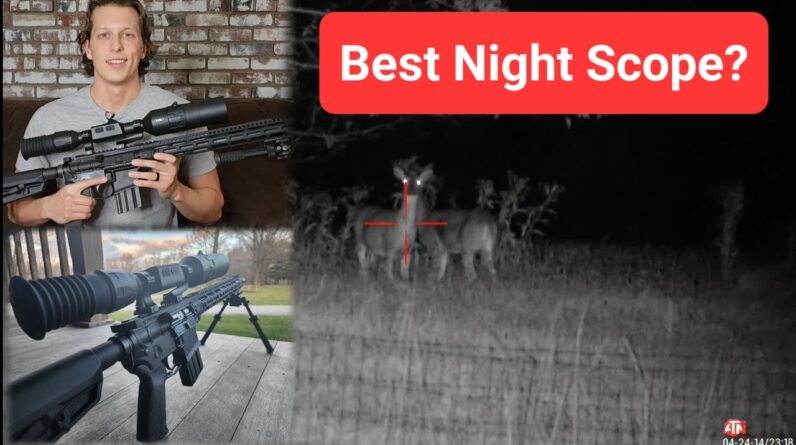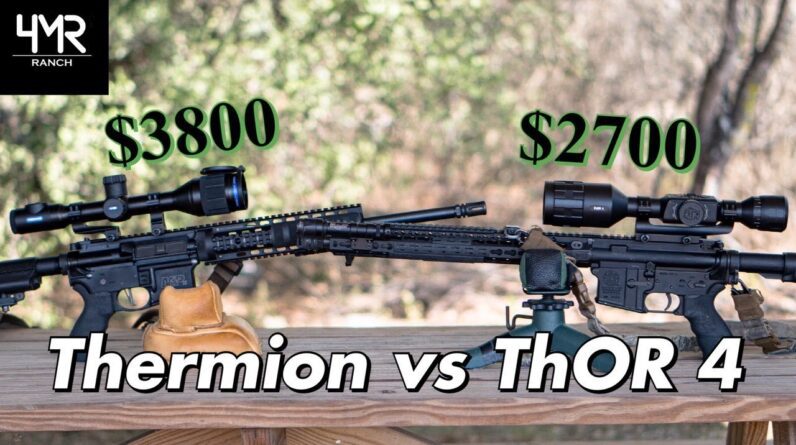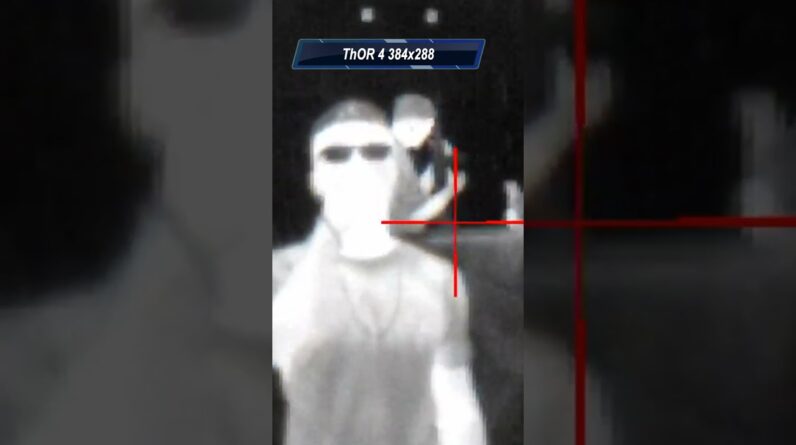
Hey there! Today, I want to talk to you about the ATN ThOR Thermal Scopes 384 vs 640, as seen in a video by Bullets N Brass. Let’s dive right into it. Now, before you get all worked up, let me clarify that the optic in the video was not mounted on anything; it was just held up by hand. The comparison is between the $1700 scope with 384×240 resolution and the $2700 scope with 640×480 resolution. ATN, the manufacturer, is known for their impressive night vision and thermal gear, and they seem to have a great understanding of how hunters actually use their equipment. Keep in mind that the video doesn’t compare the same magnification on both scopes, so be sure to focus on the zoomed and unzoomed images to see how the pixelation changes. The lower resolution camera starts off with a lousy image and gets even worse, while the higher resolution camera starts off okay and drops to average. For animal recognition at shorter ranges, either scope is sufficient, but if you’re looking to see things more clearly at longer distances, the higher resolution or a scope with more optical magnification would be the way to go. Some may argue that one scope is massively better than the other, but if you’re hunting hogs or even deer at close range, the cheaper option might just work well enough. It’s worth noting that there are cheaper versions available that perform almost as well as the 384, but they don’t have the option to record to SD cards, so that’s something to consider. These systems can save multiple zeros, which means you can easily swap between rifles without having to re-sight in. The non-LT models also have decent microphones. Just a quick disclaimer: the video you’re about to watch is for educational and entertainment purposes only. Imitation or attempting anything demonstrated in the video is done at your own risk. Any work on firearms should be carried out by licensed individuals, and remember to comply with state and federal rules. The video is not an endorsement of any specific product nor an attempt to sell you anything. It’s important to know that I am not a gun shop and do not sell or deal in firearms, parts, or magazines. If anyone attempts to charge you for this video, please notify us immediately. By viewing or flagging the video, you acknowledge the above information. Lastly, in this comparison, it’s interesting to note that the two scopes have different optical zooms. So, keep in mind that when you zoom in, the actual magnification will be different. However, you’re ultimately comparing the relative quality between the two. Oh, and in case you were curious, no one in the video was wearing sunglasses, and the display cases in front of my co-worker who’s holding a gun are made of glass, which seems to be opaque to the ATN ThOR scopes.
I hope you find this comparison helpful when deciding which ATN ThOR Thermal Scope is right for you. Happy hunting!

Optical Zoom
Optical zoom is an important feature to consider when choosing a thermal scope for hunting. The ATN ThOR Thermal Scopes 384 and 640 offer different zoom levels, which can greatly impact your hunting experience. While the video did not compare the same magnification on the optical side, it demonstrated the difference in zoomed and unzoomed views.
Resolution
The resolution of a thermal scope is another crucial factor to consider. The ATN ThOR Thermal Scopes 384 and 640 differ in resolution, with the former offering a resolution of 384×240 and the latter offering 640×480. The video comparison showed how the pixellation changes with different resolutions. The lower resolution camera started with a lousy image quality and gradually became horrible, while the higher resolution camera started with an okay image quality and then dropped to so-so.
Image Quality
The comparison between the pixellation of the two thermal scopes is directly related to the image quality. The video demonstrated how the higher resolution camera provided better image quality compared to the lower resolution camera. It is essential to have good image quality for animal recognition, especially at relatively short ranges. However, for longer distances, it becomes evident that a higher resolution camera or a scope with more optical magnification is necessary.

Animal Recognition
When it comes to animal recognition, either the 384×240 or 640×480 resolution is sufficient at relatively short range. However, for hunting at longer distances, it is highly recommended to opt for the higher resolution camera or a scope with more optical magnification. Being able to clearly identify the target is crucial for a successful hunting experience. The ATN ThOR Thermal Scopes provide the necessary features to ensure animal recognition, offering hunters a more accurate and precise shot placement.
Affordability
While considering the cost of a thermal scope, it is important to assess its value and additional features. The ATN ThOR Thermal Scopes may seem expensive, with prices ranging from $1700 to $2700. However, it is crucial to keep in mind that these systems can save multiple zeros, allowing hunters to switch between rifles without re-sighting in. This added convenience and flexibility make the price worth it for many hunters. Additionally, the standard models have microphones that perform decently, providing an extra feature for users.
Cheaper Alternatives
For those who are looking for more affordable thermal scopes, there are cheaper versions available that work nearly as well as the 384×240 resolution model. However, it’s important to note that these cheaper alternatives may not have the capability to record footage to SD cards. The absence of recording capabilities can be a drawback for hunters who want to review their hunting sessions or share their experiences with others. Consider your needs and preferences when deciding between affordability and additional features.
Recording Capabilities
The importance of an SD card for recording footage cannot be overstated. The ability to capture and review your hunting adventures is a valuable feature in a thermal scope. Unfortunately, the cheaper models mentioned earlier do not offer this capability, making it impossible to acquire footage. If recording your hunting sessions is something that you value, it is advisable to opt for a thermal scope that provides SD card compatibility.
Safety and Legal Disclaimers
It is important to highlight the responsibilities and legal regulations associated with using firearms and thermal scopes. All work on firearms should be carried out by a licensed individual, and all state and federal rules apply. The video creator and YouTube are not liable for any injuries to an individual or damage to firearms resulting from attempting anything shown in the video. It is imperative to exercise caution and abide by the appropriate laws and safety measures when handling firearms and using thermal scopes.
Endorsement and Commercial Intentions
The video and article discussed the ATN ThOR Thermal Scopes for educational and entertainment purposes only. The intention is not to endorse any specific product or service, nor is it an attempt to sell firearms, parts, or magazines. The creator explicitly states that they are not a gun shop and do not engage in the sale or trade of firearms. It is important to understand the intended purpose of the video and article and not interpret them as advertising or commercial endorsements.
Fair Use and Copyright
In rare instances where other footage is included in the video, it falls under fair use for documentary and educational purposes. The inclusion of such footage is intended to drive commentary and allow freedom of speech. It is important to respect copyright laws and ensure that the fair use criteria are met when using someone else’s footage for documentary and educational purposes.
In conclusion, the ATN ThOR Thermal Scopes 384 and 640 offer different optical zoom levels and resolutions, impacting image quality and animal recognition. Considerations such as affordability, recording capabilities, and legal responsibilities should be taken into account when choosing a thermal scope. It is important to make an informed decision based on the specific needs and preferences of the individual hunter.