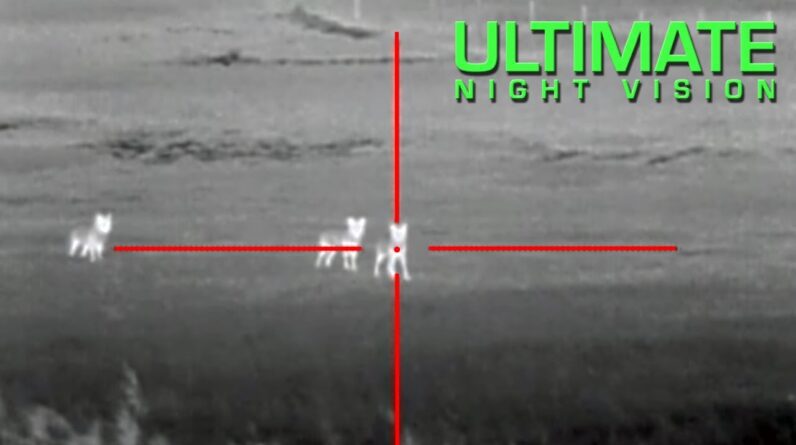
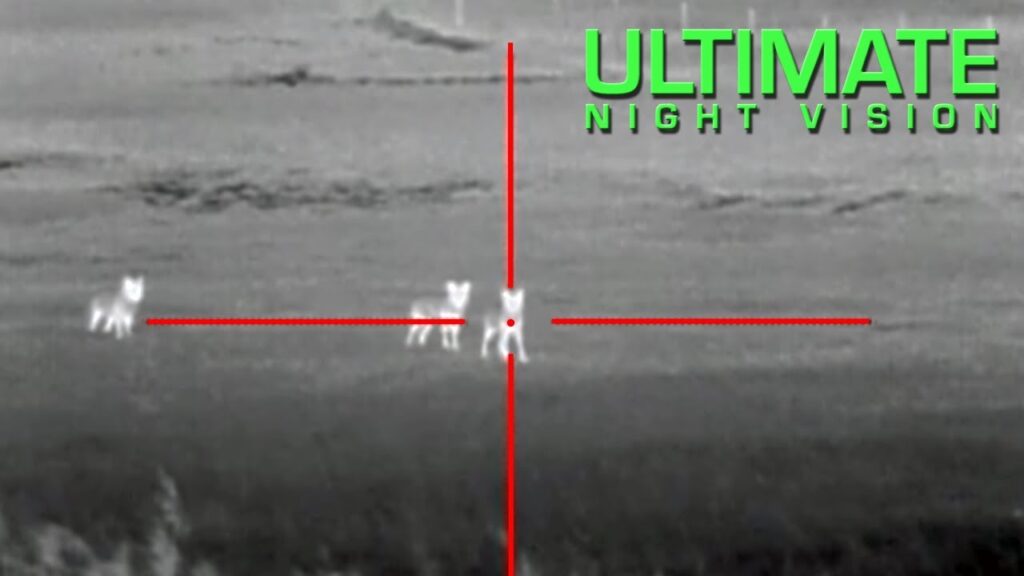
Have you ever wondered why so many people hunt coyotes? Well, it turns out these cunning creatures are causing quite a bit of trouble for livestock owners in western North America. In fact, according to the National Agricultural Statistics Service, coyotes were responsible for over 60% of sheep deaths attributed to predation in 2004. With such significant losses in the sheep, goat, and cattle industry, it’s no wonder that coyote hunting has become a necessary practice. This intriguing video by Ultimate Night Vision takes you on a thrilling coyote hunting adventure, showcasing how thermal imaging technology, specifically the ATN ThOR Thermal Scope, aids in the pursuit of these elusive predators.
The video also delves into the reasons behind coyote hunting, with insights from James O’Neil, a fourth-generation rancher and farmer. For O’Neil, predator hunting is not merely a sport, but a way of life. With the immense knowledge gained through years of experience, O’Neil helped influence the South Dakota legislature to allow the use of night vision and thermal scopes in predator hunting. By using such advanced optics, hunters can effectively target predators at night, safeguarding their livestock from further losses. If you’re curious about the world of predator hunting or interested in learning more about the capabilities of thermal imaging technology, this captivating video is definitely worth watching.
Coyote Hunting with Thermal – 13 Coyotes Down with the ATN ThOR Thermal Scope

Introduction
In recent years, predator hunting has become an increasingly popular activity, with many hunters turning to thermal imaging technology for an edge. One group of hunters, O’Neill Ops, has been particularly successful in their coyote hunting endeavors, taking down 13 coyotes using the ATN ThOR Thermal Scope. In this article, we will explore why coyote hunting is important, the impact of coyotes on livestock, different methods of predator control, and the role that O’Neill Ops plays in protecting ranchers and farmers. Additionally, we will discuss the advancements in hunting technology, regulatory changes in South Dakota, and conclude with the significance of predator hunting.
Why Hunt Coyotes?
Coyotes are currently one of the most abundant livestock predators in western North America, causing significant losses to sheep, goats, and cattle. According to the National Agricultural Statistics Service, coyotes were responsible for 60.5% of the 224,000 sheep deaths attributed to predation in 2004. Their population sizes and widespread distribution make coyotes a greater threat to livestock compared to other predators like wolves. To mitigate these losses and protect their livelihoods, ranchers and farmers turn to coyote hunting.
The Impact of Coyotes on Livestock
Coyotes pose a significant threat to the livestock industry, with their attacks resulting in substantial economic losses. When attacking adult sheep or goats, coyotes typically bite the throat just behind the jaw and below the ear, causing suffocation. Death from blood loss is usually a secondary cause. Calves and heavily fleeced sheep are targeted on the flanks or hindquarters, leading to shock and blood loss. Smaller prey, such as young lambs, are killed by biting the skull and spinal regions, causing severe tissue and bone damage. In some cases, smaller prey may be completely carried off, leaving only blood as evidence of the attack.
Methods of Predator Control
To protect their livestock, ranchers and farmers employ various methods of predator control. These can include lethal measures such as shooting, poisoning, trapping, and killing. The United States government agents alone are responsible for approximately 90,000 coyote deaths each year to safeguard livestock. Additionally, non-lethal methods like fencing and guard animals, such as dogs or llamas, can also be implemented to deter predators. However, given the adaptive nature of coyotes, hunting remains an essential tool in managing their populations.
Coyote Attacks on Livestock
The prevalence of coyote attacks on livestock has significant implications for the agricultural industry. According to statistics, coyotes caused 2.22% of the total sheep and lamb population deaths in the United States in 2004, which amounted to millions of heads. Such losses have a direct impact on the livelihoods of ranchers and farmers who rely on these animals for meat production. Therefore, effective predator control measures, including coyote hunting, are crucial for the sustainability of the industry.
Urban Coyotes and Aggressive Behavior
The behavior of urban coyotes presents an additional challenge. In the absence of hunting pressure exerted by rural communities, urban coyotes are losing their fear of humans. This is further exacerbated by intentional or unintentional feeding by people. As a result, some coyotes have begun to exhibit aggressive behavior towards humans, posing a potential threat to public safety. Urban areas have seen instances of coyotes chasing joggers and bicyclists, confronting people walking their dogs, and even stalking small children. The control of coyote populations becomes increasingly important in these urban environments.
The Importance of Hunting Coyotes for Ranchers and Farmers
For O’Neill Ops, hunting coyotes is not just a hobby or pastime—it is a way of life and a duty to protect the cattle they raise for food. As fourth-generation ranchers and farmers, their experience and expertise in predator hunting are unparalleled. From skinning coyotes with their father at a young age to learning how to call them during competitions, hunting has been deeply ingrained in their lives. Their commitment to protecting their livestock and the broader agricultural industry reinforces the importance of predator control through hunting.
The Role of O’Neill Ops in Predator Hunting
O’Neill Ops has been at the forefront of predator hunting, particularly in South Dakota. They played a significant role in advocating for regulatory changes that allowed private landowners to use night vision and thermal scopes in conjunction with specific calibers. This change was critical as it opened up new possibilities for hunting predators more effectively. With their expertise and contribution to the field, O’Neill Ops has helped shape the future of predator hunting and ensure its continued importance in livestock protection.
Advancements in Hunting Technology
Advancements in hunting technology, such as thermal imaging, have revolutionized the way hunters approach their targets. The ATN ThOR Thermal Scope, used by O’Neill Ops, is one such innovation that has proven to be highly effective in predator hunting. Thermal imaging allows hunters to detect heat signatures, giving them a significant advantage in identifying coyotes and other predators even in complete darkness. This technology has greatly enhanced the efficiency and success rates of predator hunters like O’Neill Ops.
Regulatory Changes in South Dakota
The regulatory changes in South Dakota regarding the use of night vision and thermal scopes have had a profound impact on predator hunting. By allowing private landowners to utilize these technologies with specific calibers, the state has recognized the importance of equipping hunters with the tools they need to effectively protect their livestock. This decision showcases South Dakota’s commitment to supporting the agricultural industry and ensuring the successful management of predator populations.
Conclusion
Coyote hunting with thermal imaging technology has proven to be a critical aspect of predator control for ranchers and farmers. The significant impact coyotes have on livestock, as well as their increasing presence in urban areas, emphasizes the necessity of effective predator management. O’Neill Ops, with their expertise and dedication, has exemplified the vital role hunters play in protecting the agriculture industry. Through advancements in hunting technology and regulatory changes, predator hunting continues to evolve, ensuring the sustainable coexistence of humans and coyotes in communities across North America.